

Hearth and Home
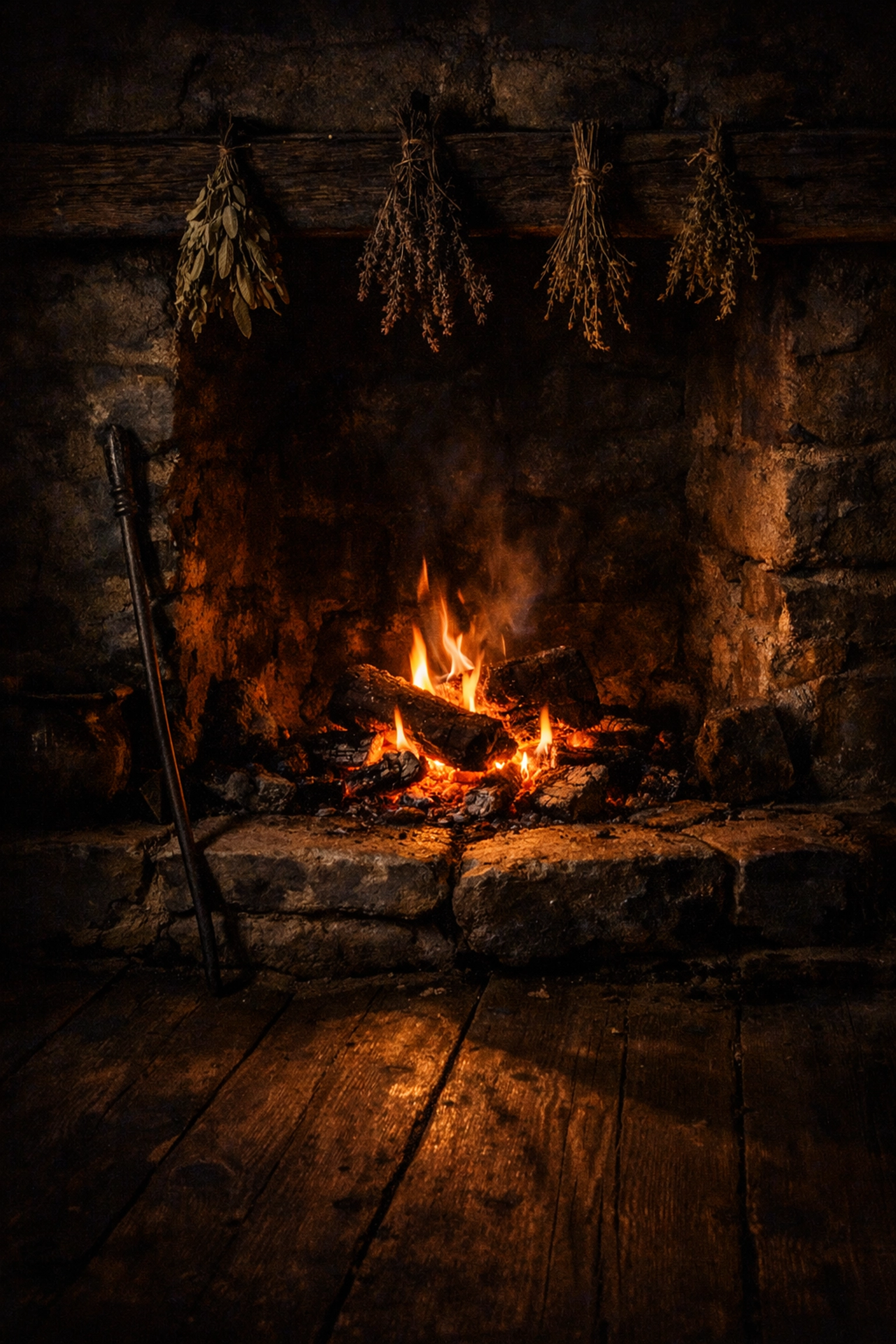
The hearth has been the beating heart of human habitation for millennia. Long before electricity hummed through walls and central heating warmed every corner, the fireplace was survival, sanctuary, and sacred centre all at once. It was where families gathered, where food was prepared, where stories were told, and where the spirits of home were honoured and appeased.
In folk magic traditions across cultures, the hearth represents far more than a source of warmth. It is a threshold space, a liminal boundary between the mundane and the sacred, the living and the ancestral. The fire itself holds transformative power, capable of purifying, protecting, and illuminating both physical and spiritual darkness. To tend the hearth is to tend the soul of the home.
Even in modern dwellings where fireplaces are decorative or absent entirely, the principles of hearth magic remain deeply relevant. The kitchen stove, the central gathering space, the doorways and thresholds of your home, all these carry the same protective and sacred potential that our ancestors recognized in the crackling flames of their hearthfires.
The Hearth as Sacred Centre
In traditional European folk magic, the hearth was considered the dwelling place of protective household spirits. In Scotland and Ireland, these spirits were often called brownies or hobs, benevolent beings who would ensure prosperity and protection if properly respected. Offerings of milk, bread, or porridge were left near the hearth, acknowledging the reciprocal relationship between the household and the unseen guardians.
The Roman tradition venerated Vesta, goddess of hearth and home, whose sacred flame burned continuously in her temple. This eternal fire symbolized the continuity of family, community, and spiritual connection. Vestal virgins tended this flame with ritual precision, understanding that allowing it to extinguish would bring catastrophe. Similarly, in many rural European households, the hearth fire was kept burning throughout the year, banked carefully at night and never allowed to die completely.
The fireplace itself functions as a threshold, a vertical axis connecting the underground (through the foundation and ash pit), the earthly realm (the hearth stone), and the heavens (through the chimney). Smoke carries prayers upward, while the descending chimney provides a potential entry point for spirits, both beneficial and troublesome. This dual nature required careful magical attention.
Protective Practices for the Chimney and Hearth
Folk magic developed numerous practices to guard this vulnerable threshold:
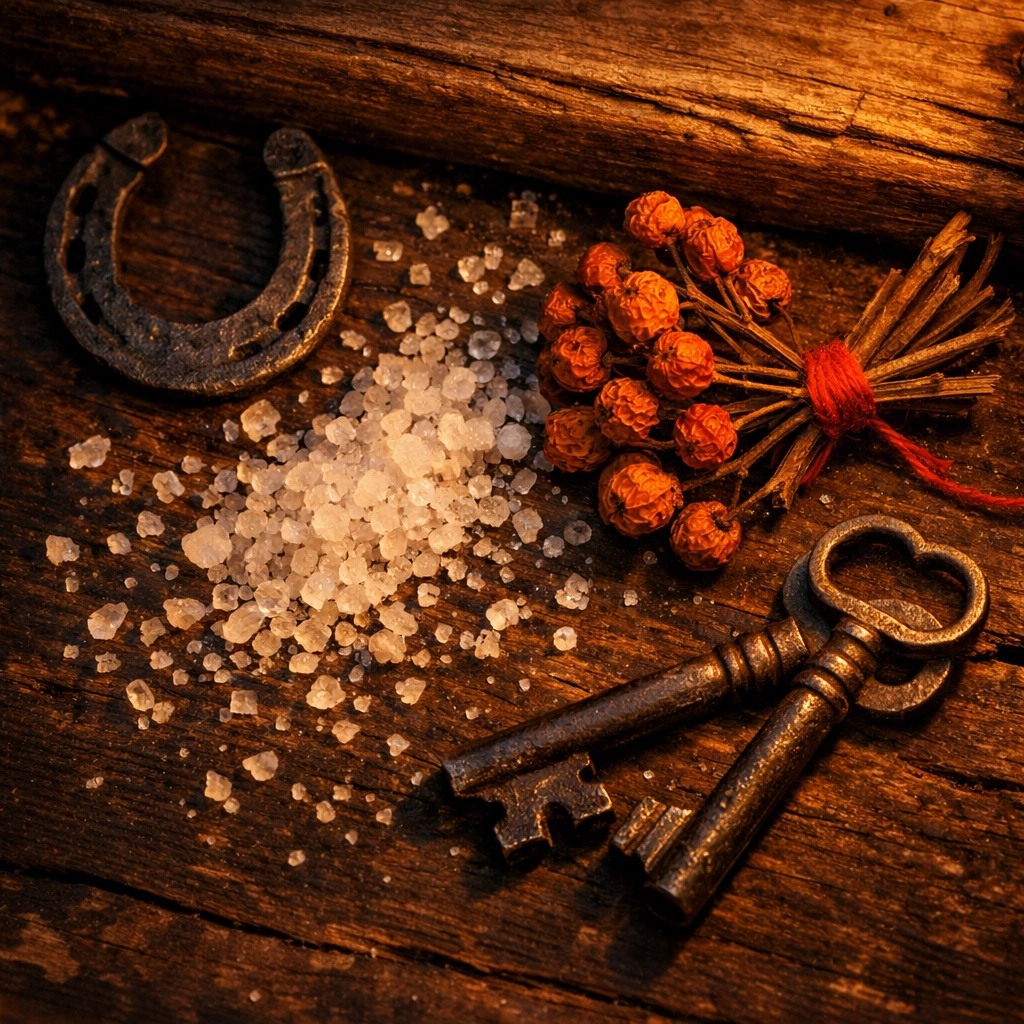
- Iron objects placed in or near the fireplace repel malevolent spirits and ill-wishing. Fireplace tools, horseshoes hung above the mantel, or iron keys buried beneath the hearthstone all serve this protective function.
- Salt sprinkled across the hearth or mixed into the mortar of the chimney creates a purifying barrier that negative energies cannot cross.
- Rowan twigs bound with red thread and hung inside the chimney prevent witches and harmful spirits from entering through this pathway.
- Hearthstones themselves were sometimes inscribed with protective symbols or had charms buried beneath them during construction, anchoring protection into the foundation of the home.
These practices recognize that the hearth, while sacred, is also a point of vulnerability. What welcomes warmth and light can also admit unwanted energies if left unprotected.
Creating Sacred Space in the Modern Home
Not every home has a traditional fireplace, yet the principles of hearth magic translate beautifully to contemporary living spaces. The core practice remains the same: identifying and honouring the spiritual centre of your home, establishing protective boundaries, and maintaining the energetic health of your living space.
Identifying Your Home's Heart
In modern practice, your hearth may be:
- The kitchen stove, where food is prepared and transformation through fire (or heat) still occurs
- A central gathering space where family or household members naturally convene
- A dedicated altar or sacred corner that serves as the spiritual anchor of your home
- The entryway or main threshold, which every person who enters must cross
Walk through your home with attention and awareness. Notice where energy naturally gathers, where you feel most grounded, and where the household seems to centre itself. This is your hearth in spirit, if not in architectural form.
Establishing Protection and Blessing
Once you have identified your home's sacred centre, you can begin working protective and blessing magic into its foundation. These practices draw directly from folk magic traditions:
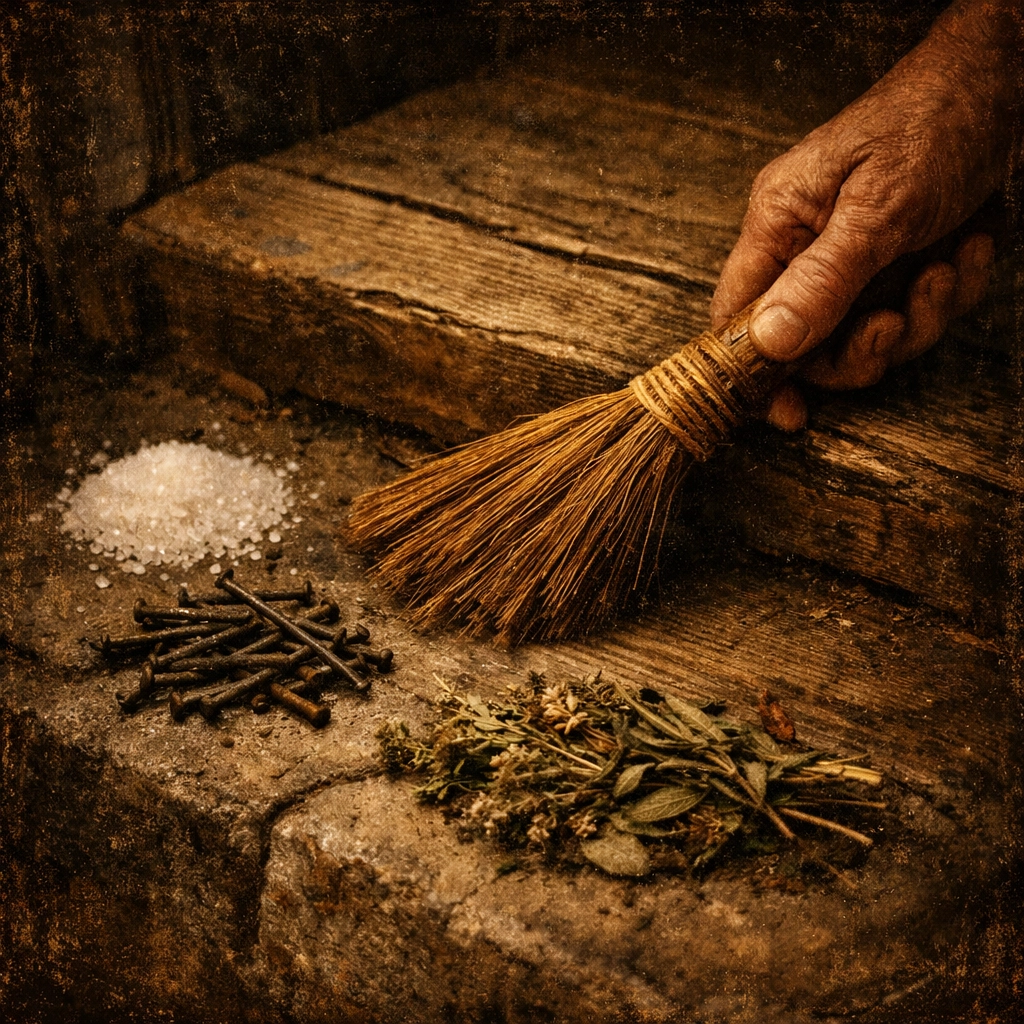
Threshold Protection: Doorways are potent magical spaces. Sweep your threshold from outside to inside while stating your intention to welcome beneficial energies and bar harmful ones. Place a line of salt across the exterior threshold, or bury protective charms (iron nails, rowan berries, protective herbs) beneath your doormat or entry stone.
Smoke Cleansing: Use smoke from sacred herbs or resins to cleanse your space regularly. Walk the perimeter of your home, paying particular attention to corners, doorways, and windows. This practice mirrors the purifying function of hearth smoke and maintains energetic clarity.
Hearthfire Visualization: Even without a physical fire, you can work with the element of fire energetically. Sit in your home's central space and visualize a protective flame at its heart. See this flame as a living presence that warms, protects, and illuminates your household. Feed this fire regularly with your attention and intention.
Household Spirits: Acknowledge and honour the spirits of your home. Leave small offerings near your hearth space: water, bread, honey, or herbs. Speak to them respectfully, asking for their protection and blessing in return for your care and offerings.
Daily Hearth Magic Practices
Folk magic thrives in consistency and simple daily acts. The most potent protection comes not from elaborate rituals performed once, but from regular, mindful practices woven into the rhythm of ordinary life.
Morning and Evening Tending
Begin and end your day with brief acknowledgment of your hearth space. This might be as simple as lighting a candle at your home altar in the morning and extinguishing it mindfully before bed, or stirring your morning tea clockwise while blessing your household, or sweeping your kitchen floor with intention each evening.
These small acts accumulate power over time. They establish a relationship between you and the spirit of your home, creating a reciprocal flow of care and protection.
Seasonal Deep Cleaning
Four times a year, at the cross-quarter days or solstices and equinoxes, perform a thorough energetic cleaning of your home. This goes beyond physical tidying (though that matters too) to include:
- Washing thresholds, windowsills, and doorframes with water infused with protective herbs
- Re-establishing boundary wards and protective charms
- Clearing accumulated stagnant energy from corners and forgotten spaces
- Refreshing altar spaces and replacing offerings
- Reaffirming your intentions for your home's sacred purpose
This seasonal tending aligns your household with natural cycles and prevents energetic buildup that can lead to discord or stagnation.
Kitchen as Contemporary Hearth
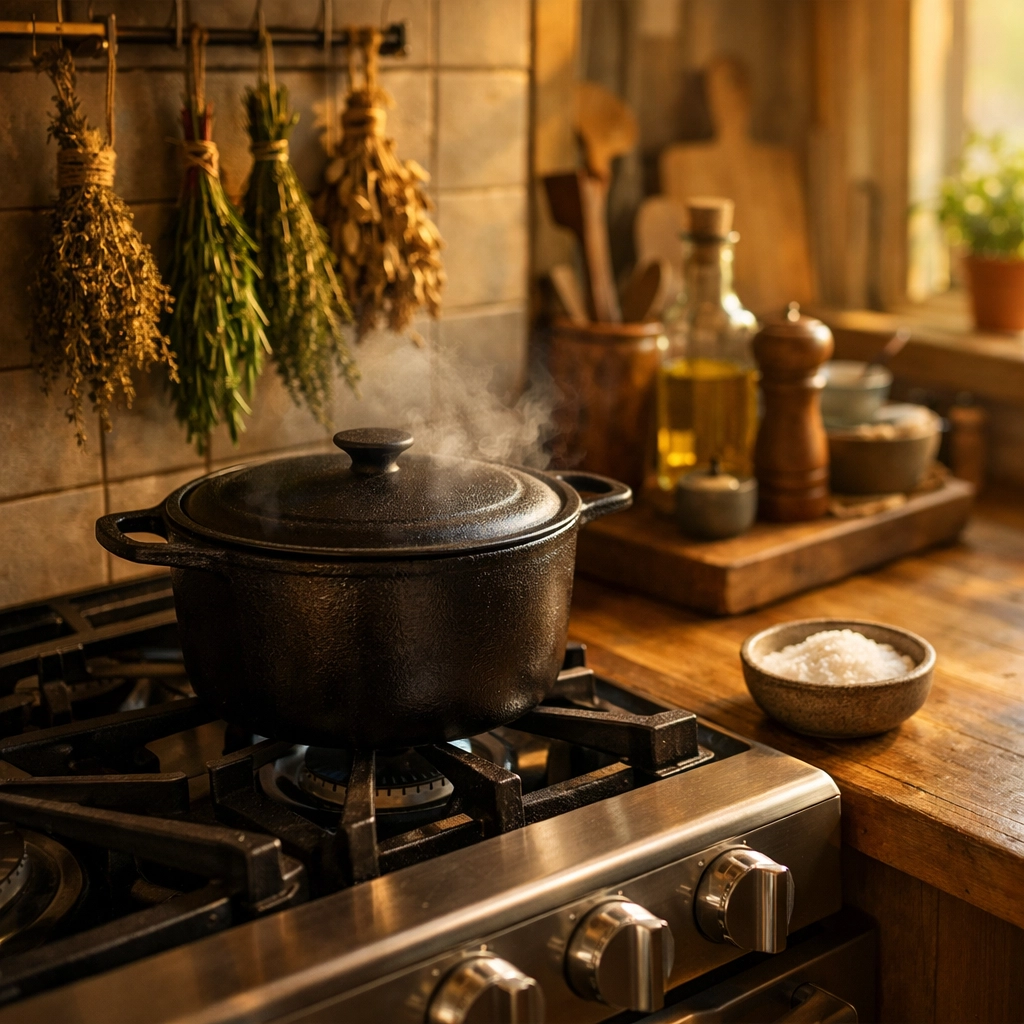
For many modern practitioners, the kitchen serves as the functional hearth. Cooking becomes an act of magic when approached with intention. Stir food clockwise to draw blessings in, counterclockwise to banish illness or negativity. Add herbs chosen for their magical properties as well as their flavour. Bless your ingredients before cooking, and infuse your meals with love and protective intention.
The act of feeding your household is itself a form of hearth magic, sustaining life and strengthening the bonds that make a house a home.
What Does Hearth Protection Actually Guard Against?
This question arises often, and deserves a clear answer. Folk magic hearth protection addresses both tangible and intangible threats. On the mundane level, a well-tended home with strong boundaries discourages unwanted visitors, promotes harmony among inhabitants, and creates an atmosphere that supports health and wellbeing.
On the spiritual level, hearth protection guards against:
- Negative or chaotic energies carried in by visitors or household members
- Ill-wishing, intentional or unconscious, directed toward your household
- Unwelcome spiritual entities seeking entry through vulnerable thresholds
- Energetic stagnation that can lead to discord, illness, or misfortune
- The gradual erosion of sacred space that occurs when boundaries are neglected
Protection is not about paranoia or fear. It is about maintaining healthy boundaries, just as you would lock your doors or tend your garden. A protected home is a thriving home.
The Living Tradition of Hearth Magic
Hearth magic remains vital because the need for sanctuary never changes. Whether your ancestors gathered around peat fires in stone cottages or you live in a modern apartment, the human need for safe, sacred space endures. The hearth, in whatever form it takes, represents that fundamental human claim to shelter, warmth, and belonging.
As you begin incorporating hearth magic into your practice, remember that this work is deeply personal. Your home's needs and your relationship with its spirit will be unique. Pay attention to what feels right, what creates a sense of peace and protection in your specific space. Folk magic is not dogmatic. It is responsive, adaptive, and rooted in direct experience.
Walk your thresholds with awareness. Tend your hearth, whether it is a fireplace, a stove, or a candle flame. Speak to your home as a living presence deserving respect and care. In return, you will find that your home becomes more than shelter. It becomes sanctuary, a sacred foundation from which you can move through the world with greater confidence and peace.
The hearth calls us back to what is essential: the fire that warms, the boundary that protects, the centre that holds. In honouring this ancient truth, we create homes that nourish not only our bodies, but our spirits as well.